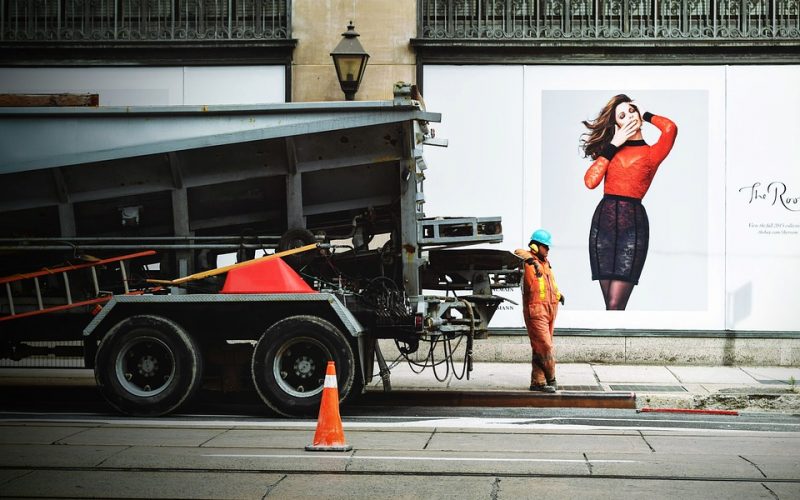
Roads are the backbone of modern society. They connect communities, enable commerce, and provide access to essential services like healthcare and education. Yet despite their importance, road infrastructure around the world is under increasing strain — and the consequences of neglect are far-reaching.
The growing pressure on road networks
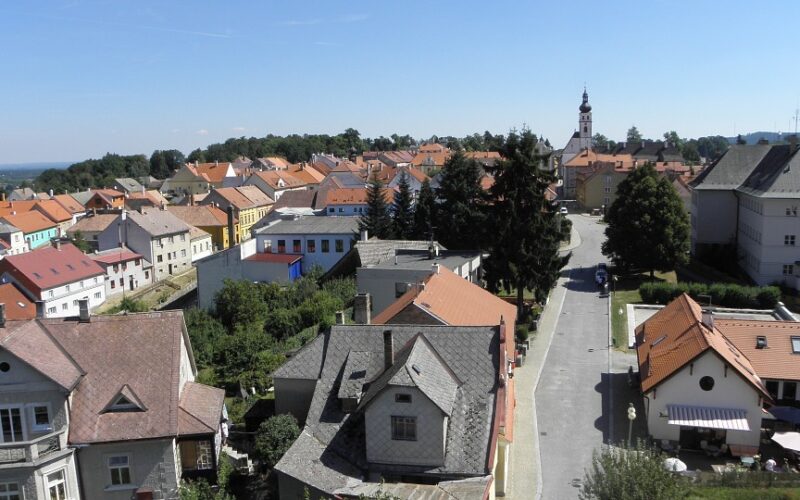
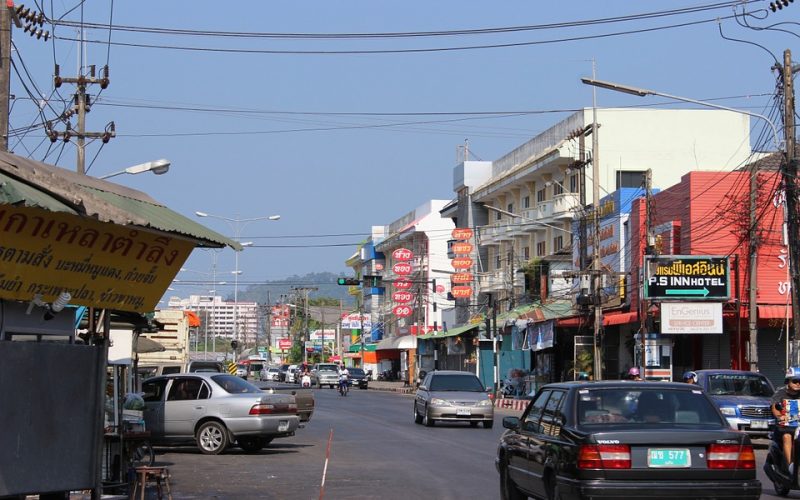
Global populations are rising, and with them, the number of vehicles on the road. Urbanisation is accelerating at a pace that many existing road networks simply were not designed to handle. In developing nations, inadequate roads are a significant barrier to economic growth, making it difficult to transport goods, attract investment, and connect rural communities to urban centres. Even in wealthier countries, ageing infrastructure is struggling to keep up with modern demands.
Economic impact of poor road conditions
The financial cost of poor roads is staggering. Vehicle damage caused by potholes and deteriorating surfaces costs drivers billions each year in repairs. Businesses face higher logistics costs when roads are unreliable, and delays in the movement of goods ripple through supply chains, pushing up prices for consumers. Studies have consistently shown that investment in road infrastructure yields significant returns — boosting productivity, reducing transport costs, and stimulating local economies.
Road safety and the human cost
Beyond economics, the condition of roads has a direct impact on human safety. Poor road surfaces, inadequate signage, and insufficient lighting contribute to thousands of preventable accidents each year. The World Health Organisation estimates that road traffic injuries are among the leading causes of death globally, with vulnerable road users — pedestrians, cyclists, and motorcyclists — disproportionately affected. Improving road quality is not just a matter of convenience; it is a public health imperative.
Environmental considerations in road development
Modern road development must also contend with environmental responsibilities. Traditional construction methods are resource-intensive and can cause significant ecological disruption. However, advances in sustainable engineering are changing the picture. Recycled materials, permeable surfaces that manage stormwater runoff, and designs that minimise habitat fragmentation are becoming more common. Good road planning now means balancing connectivity with environmental stewardship.
Technology's role in the future of roads
Innovation is reshaping what roads can be. Smart road technology — including sensors that monitor surface conditions, digital signage that adapts to traffic flow, and infrastructure designed to support electric and autonomous vehicles — is already being trialled in several countries. These developments point toward a future where roads are not just passive surfaces, but active components of intelligent transport systems.
Investing in roads is investing in the future
The need for well-maintained, thoughtfully designed roads has never been greater. Governments, urban planners, and engineers face a shared responsibility to prioritise road infrastructure — not as a short-term fix, but as a long-term commitment to economic resilience, public safety, and sustainable development. The road ahead, quite literally, depends on the decisions made today.