Selecting the perfect aggregates for your residential driveway or pathway is a crucial decision that heavily impacts both the visual kerb appeal and the long-term structural durability of your property exterior. Aggregates are available in a massive variety of shapes, sizes, and colours, which can make the initial selection process seem slightly overwhelming for homeowners wanting a flawless finish. Whether you are aiming for a contemporary minimalist aesthetic or a traditional rustic countryside charm, the specific materials you select will ultimately set the defining tone for your entire garden and home entrance. Taking time to evaluate your options carefully ensures a highly successful landscaping upgrade.
Assessing vehicle weight and pedestrian foot traffic
The most critical factor to evaluate when choosing outdoor surface materials is the sheer amount of weight and friction the area must endure daily. Driveways demand exceptionally durable and angular stones, usually ranging between fourteen and twenty millimetres in diameter, because these jagged edges lock together tightly under heavy vehicle tyres. Should you mistakenly select rounded gravel or stones that are excessively small, vehicle movement will rapidly displace the material, forming deep ruts and an incredibly uneven surface. Pathways, however, strictly support foot traffic, meaning you can confidently choose smaller, rounded pebbles that offer a comfortable walking experience.
Harmonising stones with your property exterior
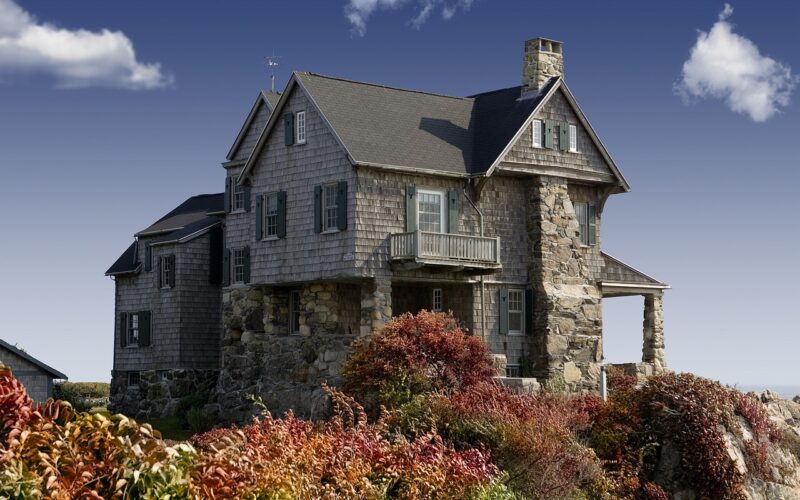
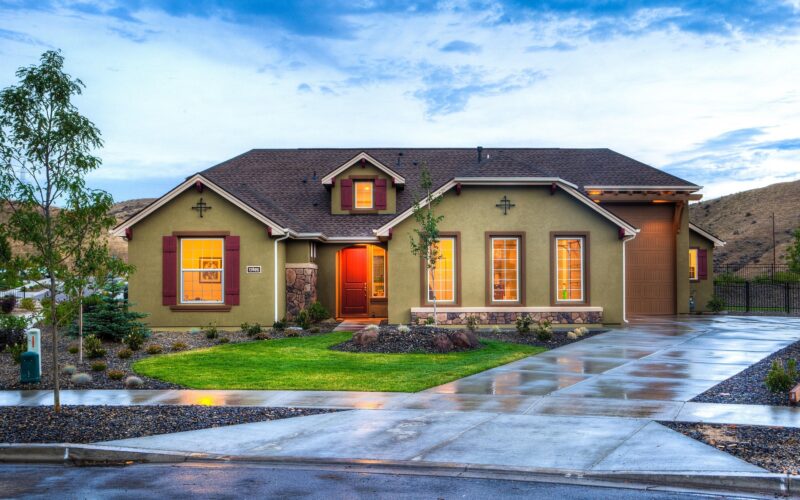
Creating visual harmony plays an instrumental role in maximising your property value, so your chosen aggregate must seamlessly complement the existing architectural style of your home. Golden gravels and warm buff stones blend effortlessly with classic red brick houses or heritage sandstone properties, exuding a welcoming and timeless character. On the other hand, stark silver, deep grey, or jet black granite chippings deliver a bold, striking contrast that perfectly accentuates modern, rendered homes featuring sleek architectural lines. Taking inspiration from the surrounding neighbourhood ensures your driveway upgrades enhance rather than clash with the established local residential aesthetic.
Factoring in local environmental conditions
Beyond mere architectural matching, it is highly advisable to factor in your specific local environment and seasonal weather conditions before finalising your aggregate order. Bright, light-coloured stones possess excellent reflective properties, making them the perfect solution for illuminating heavily shaded, northern-facing gardens that suffer from limited sunlight. Conversely, exceptionally dark materials tend to absorb significant amounts of thermal heat in south-facing areas and frequently highlight unwanted dust, dirt, or fallen leaves during dry summer periods. Factoring in these environmental variables guarantees that your outdoor spaces remain genuinely low maintenance and consistently attractive throughout the entire calendar year.
Understanding drainage and weed prevention requirements
Effective drainage remains an absolute necessity for any exterior ground surface, and loose aggregates naturally excel by forming a highly permeable layer that permits rainwater to safely soak into the underlying earth. This vital natural drainage capability actively helps homeowners comply with modern sustainable drainage system regulations, which specifically aim to prevent flash flooding and reduce severe strain on public water infrastructure. To fully maximise this environmental benefit, you absolutely must install a premium, heavy-duty weed control membrane beneath your chosen stones to completely block invasive root systems whilst simultaneously allowing surface water to drain away unhindered.
Calculating material volumes and project budgets
Procuring the exact quantity of landscaping material is fundamentally essential to successfully keep your home improvement project firmly within its allocated budget. You can easily determine the required aggregate volume by precisely measuring the maximum length and width of your driveway in metres, before multiplying those figures by your targeted depth. Standard residential driveways generally require an aggregate depth of approximately fifty millimetres to guarantee adequate ground coverage without creating an impossibly deep surface to walk across. Procuring your chosen stones in massive bulk bags directly from trade suppliers consistently proves to be the most cost-effective purchasing strategy.